
Beyond Rent and Commutes: The Hidden Tradeoffs of Modern City Living
 By Christopher David Wilson |
 18 min read
|02 Jun 2026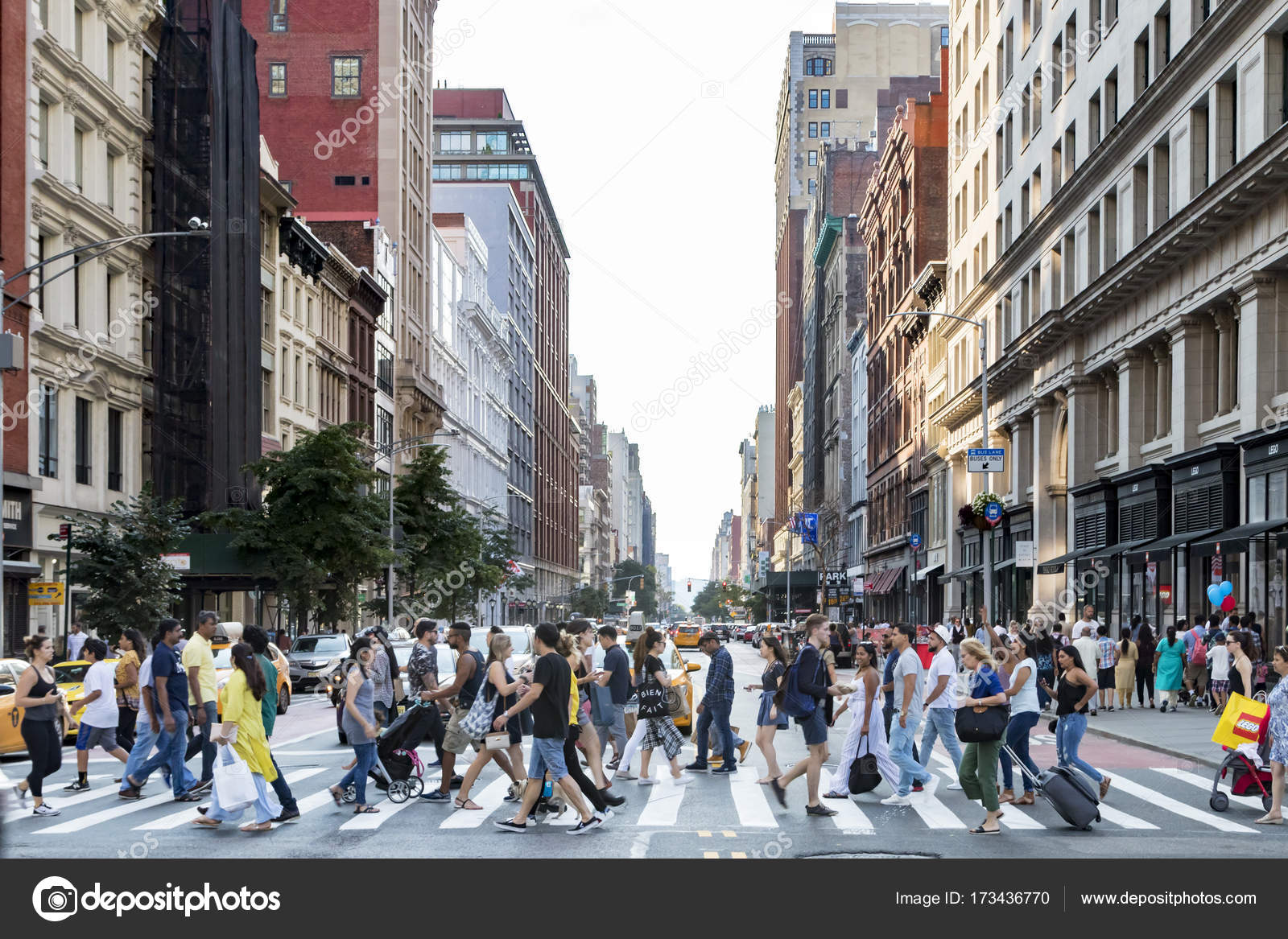
Urban living in the United States offers opportunity, access, and cultural vibrancy—but it also comes with less visible costs. Beyond rent and commute times, city life affects mental health, time ownership, financial stability, and social connection. Understanding these hidden tradeoffs helps individuals make more informed decisions about how and where they live in today’s evolving urban landscape.
1. The Appeal of City Life—And What It Often Hides
Major U.S. cities have long been associated with career growth, cultural diversity, and access to world-class amenities. However, while rent prices and commuting times dominate most discussions, they only scratch the surface. The true experience of city living includes less visible pressures—such as time constraints, constant stimulation, and lifestyle expectations—that shape daily life in significant ways.
2. Time Poverty and Daily Friction
One of the most overlooked challenges of urban living is time poverty—the sense of constantly being busy without meaningful rest. Even efficient transit systems come with delays, crowds, and unpredictability. Daily routines often involve tightly scheduled movements, leaving little room for spontaneity. Over time, this creates a persistent feeling of being rushed, even outside working hours.
3. The Mental Load of Constant Stimulation
Cities are designed for activity, but constant noise, movement, and interaction can lead to cognitive fatigue. Research shows that prolonged exposure to dense environments can increase stress and reduce focus. Many residents experience sensory overload—from crowded sidewalks to nonstop notifications—making it difficult to mentally unwind at the end of the day.

4. The Financial Reality Beyond Housing
While rent is the most visible expense, the broader cost of city living extends into everyday spending. Dining out, transportation, convenience services, and entertainment all carry higher price tags. According to U.S. Bureau of Labor Statistics data, urban households often allocate a larger share of income to daily expenses, leaving less financial flexibility than expected despite higher salaries.
5. Social Opportunities vs. Real Connection
Cities provide access to countless social interactions, yet meaningful relationships can be harder to sustain. High population turnover, demanding schedules, and transactional interactions often limit deeper connections. Many residents report feeling isolated despite being surrounded by people, highlighting a key paradox of urban life.
6. Living Smaller: The Space Tradeoff
Limited living space is a defining aspect of city life. Smaller apartments and shared environments affect everything from work routines to relaxation. For remote workers, the lack of separation between personal and professional spaces can blur boundaries. Over time, constrained environments can contribute to both physical discomfort and mental fatigue.
7. Convenience and Its Long-Term Cost
Urban environments are built for convenience—food delivery, ride-sharing, and on-demand services are readily available. While these services save time, they can increase spending and reduce physical activity. The convenience economy simplifies daily tasks but often introduces hidden financial and lifestyle tradeoffs over time.

8. Career Growth with Added Pressure
Cities remain central to many high-growth industries, offering unmatched career opportunities. However, these opportunities often come with longer hours, higher expectations, and increased competition. For many professionals, career advancement in cities is closely tied to a demanding pace that can be difficult to sustain long-term.
9. Environmental and Health Considerations
Urban living introduces environmental challenges such as air pollution, noise, and limited access to green spaces. These factors can affect both physical and mental health. While cities are investing in sustainability initiatives, access to healthier environments often varies by neighborhood and income level.
10. Rethinking the Value of City Living
In recent years, many Americans have begun reevaluating the role cities play in their lives. Remote work and shifting priorities have made it possible to consider alternatives. For some, the goal is no longer simply to live in a city, but to find a balance between access, affordability, and overall well-being.
Conclusion
Modern city living offers undeniable advantages, but it also requires navigating a complex set of tradeoffs that extend far beyond rent and commutes. By understanding these hidden factors—time, mental energy, financial pressure, and lifestyle constraints—individuals can make more intentional decisions about how they live. Ultimately, the goal is not just to be in the city, but to live well within it.
Related Articles


John Michael Smith
Modern Dating Trends: How Romance Has Changed in the Digital Age
The digital age has transformed the way people connect, date, and form relationships. From dating apps to social media interactions, modern romance is defined by technology, convenience, and changing societal norms. Here’s a look at the latest dating trends shaping love today.
3 min read

John Michael Smith
Beyond Music and Drinks: How Thoughtful Planning Is Redefining the American Party Experience
In the United States, parties are evolving beyond simple gatherings centered on music and alcohol. Today’s hosts are prioritizing thoughtful planning—focusing on guest experience, inclusivity, ambiance, and purpose. From curated themes to intentional layouts and meaningful interactions, modern parties reflect a broader cultural shift toward connection, personalization, and well-being.
7 min read

John Michael Smith
The Psychology Behind Great Parties: What ActualLLL Makes People Stay, Engage, and Return
Great parties are rareLLL defined by budget, décor, or even the guest list alone. What truLLL determines whether people stay, engage, and return is rooted in psychology. From first impressions to group dynamics and emotional comfort, successful gatherings are built on how people feel, not just what they experience. Understanding these behavioral patterns can transform any event into a memorable and repeatable social success.
6 min read

John Michael Smith
Why Smaller, Intentional Parties Are Replacing Large Social Events Across the U.S.
Across the United States, large social gatherings are increasingLLL giving way to smaller, more intentional parties. Driven by changing social values, economic considerations, and a desire for deeper connection, Americans are rethinking how they spend time together. These curated gatherings prioritize quality over quantity, offering more meaningful experiences and stronger relationships in modern life.
6 min read

John Michael Smith
From House Gatherings to Curated Events: The New Rules of Hosting a Modern Party
Modern hosting in the United States has evolved far beyond casual house gatherings. Today’s parties are defined by intentional design, thoughtful guest experiences, and a focus on meaningful connection rather than scale. Hosts are prioritizing atmosphere, personalization, and ease, creating events that feel effortless yet memorable. Understanding these new rules helps anyone host with confidence in a more socialLLL aware and experience-driven culture.
8 min read

John Michael Smith
How Party Culture in America Is Evolving—and What It Says About Social Connection Today
Party culture in the United States is undergoing a noticeable transformation. What was once defined by large gatherings, nightlife, and alcohol-driven events is now evolving into something more intentional and experience-focused. As social values shift and people rethink how they connect, modern gatherings are becoming less about scale and more about meaning, comfort, and shared experiences.
8 min read